June 14 - Espresso and Epics - One Year of Daggerheart
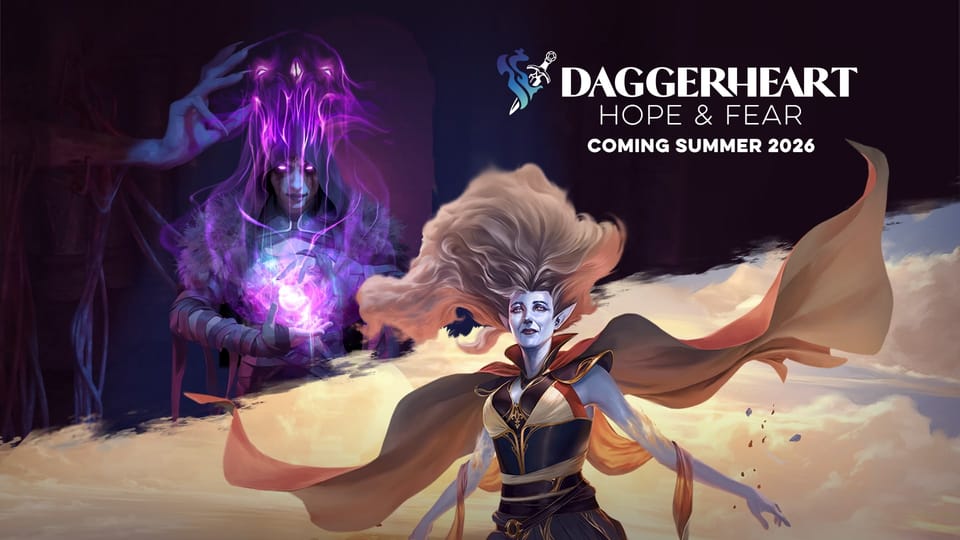
Join us at our Espresso and Epics Event on Sunday, June 14th at Meanwhile Coffee in Herndon to play Daggerheart.
Sign up on our discord and say hi!
or the following Wednesday, June 17th at Reston Plays Games!
Espresso and Epics - 1PM, Sunday, June 14th at Meanwhile Coffee
Reston Plays Games - 6PM, Wednesday, June 17th at the Reston Community Center
Part 3 of our Daggerheart Learn-to-play Series
In April we introduced Daggerheart and talked about what makes it such a strong engine for cooperative worldbuilding - the Duality Dice, the back-and-forth conversation between GM and players, and the idea that everyone at the table is helping write the story. Last month we continued with Daggerheart and went over how the system encourages creating worlds with NPCs that have their own reasons, and how the choices players make affect how their story can change.
This month we're taking a moment to look back because Daggerheart just turned one in May. The first print run sold out, the reviews have been kind, and Darrington Press marked the anniversary with a free adventure The Wish Thief, a brand-new actual play, and the announcement of the game's first major expansion. So it feels like the right time to ask the bigger questions: How is Daggerheart actually being received a year on? Why has it landed the way it has? And what should we be excited about as it walks into year two?
A Year of Earned Trust
I have to say that the main thing that has helped Daggerheart be successful has been trust. Critical Role spent years building a genuine relationship with its audience, and that relationship has a particular visible shape IN Daggerheart. When something goes sideways at Critical Role's table - a ruling that doesn't quite hold up, a forgotten modifier, a beat that lands awkwardly - it tends to make the cast more endearing to their fans, not less. People watch them play and see a group of friends figuring it out together, mistakes included. They feel real and people connect with them.
Daggerheart inherits that goodwill, and builds a lot of the way Critical Role likes to play into the system. If you have the opportunity to attend one of their Live Actual Plays you will find that it matters more than it sounds like it does. Right now, the TTRPG hobby asks players to extend trust in two uncomfortable directions. On one side sits the giant - Hasbro and Wizards of the Coast - where fans have learned to read every announcement with one eyebrow raised. On the other side sit dozens of brand-new studios making exciting games, but asking you to bet your group's next year of gaming on a team you've never heard of. Daggerheart comes from people the audience already knows and likes, backed by a real publisher and names with the resources to support the game long-term. For a lot of tables, that's making the difference between "maybe someday" and "let's start a campaign next week."
Built to Play the Way We Want To
Here's the thing that becomes obvious once you've run a few sessions: Daggerheart's mechanics are built to make the kind of play Critical Role models feel natural at your table, without you needing to be a professional actor to get there.
We've covered many of the mechanics in earlier months, so I won't focus too much on those. What's worth noticing a year in is why it works. Rolling two d12s instead of one d20 isn't just about greater chances for success - it turns every roll into a small piece of story. Rolling with Hope and Fear give you success that costs something, failure that hands you a lifeline, and a built-in critical that feels like a gift. The entire experience encourages players to find ways to think about how their actions can interact and what they can do to work together. There's always a reason to care about the next roll, even when it isn't yours.
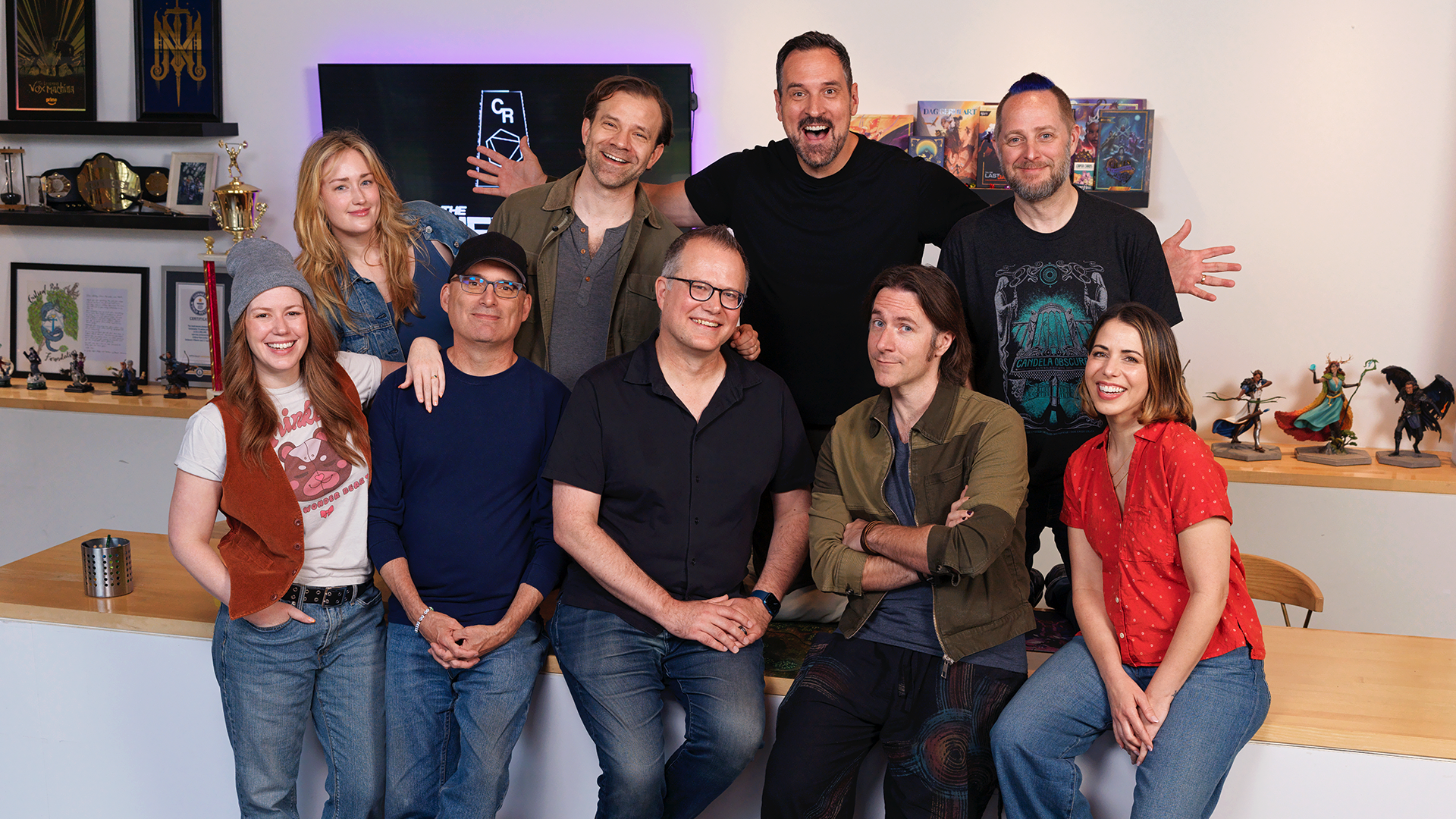
In a recent interview, Matt Mercer described the design goal in roughly these terms: a lot of modern systems leave the most cinematic, collaborative moments up to player memory, so they quietly get forgotten and the table slides back into old habits. Daggerheart's answer is to write those moments into the rules. The Tag Team rule and the Help action are the cleanest examples - they actively reward players for combining their actions into something bigger than either could do alone. That's not a new idea for great groups, but with Daggerheart it is just built in a way that encourages players to work together and feel great doing it.
A Solid Base in a Crowded Field
The last few years have been amazing for tabletop games. There's been a steady wave of ambitious new systems, and the hobby is healthier for it. But abundance has a downside: it's incredibly hard to know where to plant your flag, and most groups only have the bandwidth to learn one new game at a time.
What Daggerheart has done well is focus on bringing together many of the best ideas - fiction-first resolution, fail-forward outcomes, countdowns ticking in the background, and session-zero tools that get the whole table building the world before anyone rolls a die. All of these have been proven out in smaller, narrative-forward games long before Daggerheart arrived. Daggerheart takes those techniques, files off the friction, and builds them onto a familiar chassis of classes, ancestries, and leveling. The result is a game that feels like a great place to start.
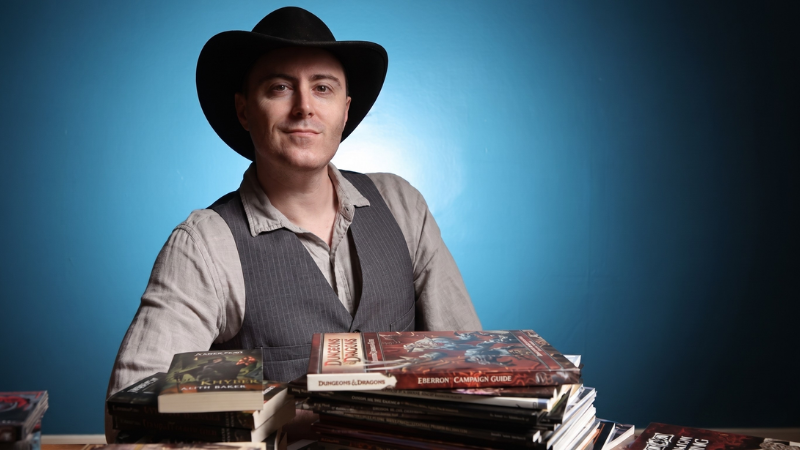
The foundation underneath keeps getting more solid. A third-party Community Gaming License has opened the door for outside creators, and the designer roster has become a solid statement of intent. Chris Perkins and Jeremy Crawford - two names long synonymous with D&D - are now building for Daggerheart. So is Keith Baker, the creator of Eberron. When veterans of that caliber migrate toward a one-year-old system, it tells newcomers something reassuring: this isn't a flash in the pan. It's a place to build a campaign that'll still be supported in three years.
Hope & Fear, and the Road Through Year Two
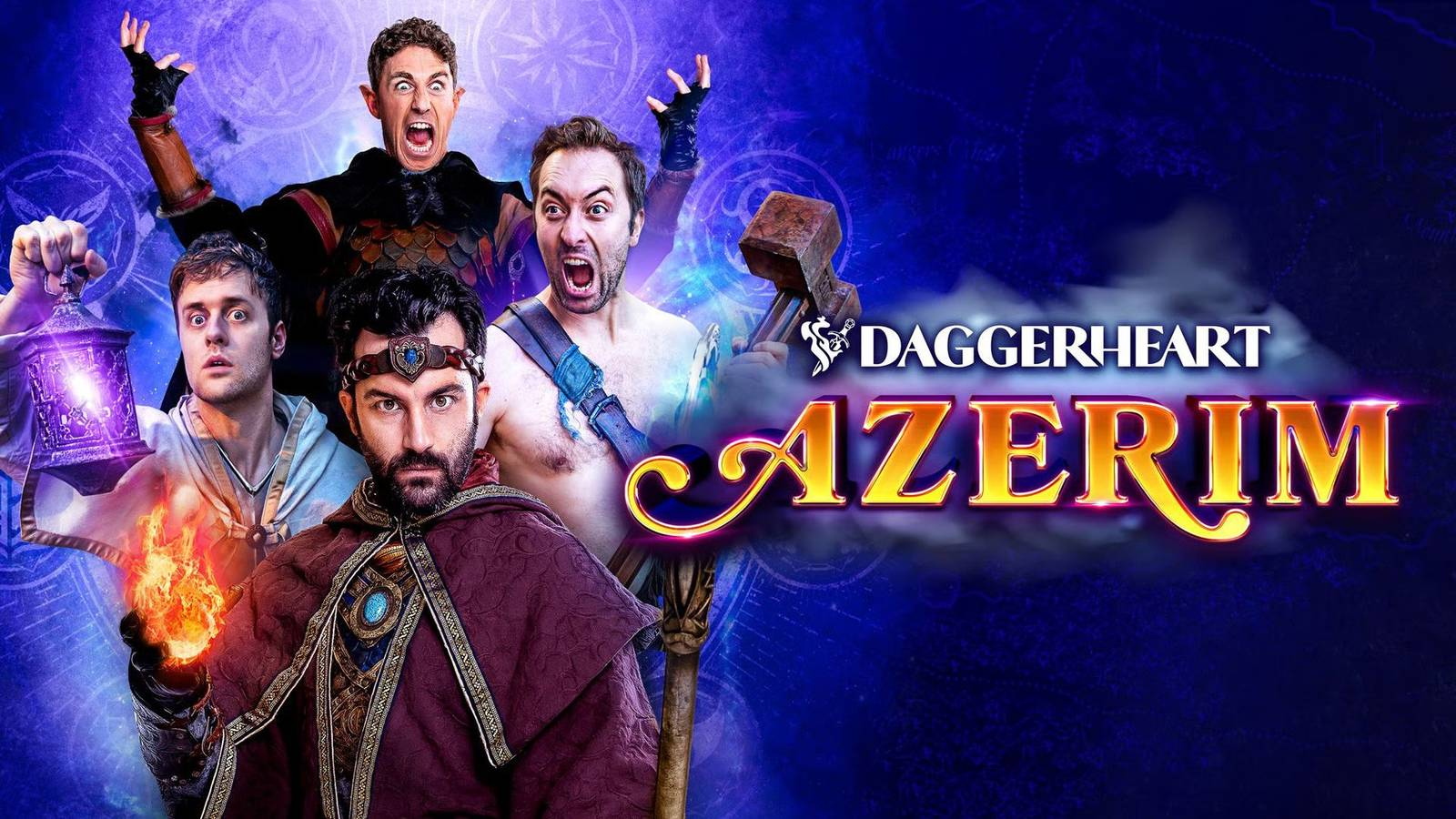
The anniversary in May itself came with gifts. There's a free birthday adventure, The Wish Thief, that drops a party into a stolen-tiara mystery during a royal festival - a tidy, low-commitment way to try the system with pre-generated characters. Multiple streaming live plays featuring Daggerheart have primed the way for year two: Legends of Avantris did Dust to Damnation, Daggerheart: Azerim by Viva La Dirt League, and there is always the first Age of Umbra and the upcoming Age of Umbra: Sallowlands just to name a few...
But the headline for year two is Hope & Fear, Daggerheart's first expansion, due later this summer. It nearly doubles the toolbox. There are four new classes - the Witch, Warlock, Brawler, and Assassin - along with a new Dread domain of macabre magic, new ancestries and communities, well over a hundred new adversaries, dozens of environments, and a fresh stack of weapons and gear. There's even a brand-new transformation mechanic that lets a character become something else mid-campaign: a vampire, a werewolf, a ghost, a demigod. On paper, it's a lot of content.
What I find most telling, though, isn't the page count. It's one specific design choice. Hope & Fear includes a campaign frame built entirely around a villain - and instead of handing the GM a finished antagonist, it hands the table a kit. In session zero, before the campaign even begins, the players answer questions together. When did your character first cross paths with this villain? What did they do to your community? What events shaped the path that made them who they are? By the time play starts, the villain isn't the GM's creation that the players happen to be fighting. It's a shared creation everyone has a personal stake in stopping.
This upcoming feature helps players be a part of designing their bad guys. Perkins has described it as something of an experiment. -If it works, this could spread to change how people handle villains going forward. It's the clearest signal yet that the expansion isn't just adding stuff to fight; it's deepening the part of Daggerheart that was always the point.
The roadmap past the expansion looks the same way. Jeremy Crawford is reportedly building a full setting in a darker, horror-leaning genre. Chris Perkins is weaving interconnected campaign frames into something larger. And Keith Baker is bringing The Night Market - a ghost-haunted micro-setting where a city's cemetery serves as its wall - to Gen Con under the community license, with a bigger official project to follow. The ecosystem isn't just one publisher feeding the line anymore. It's starting to breathe on its own.
The Point Was Always the Table
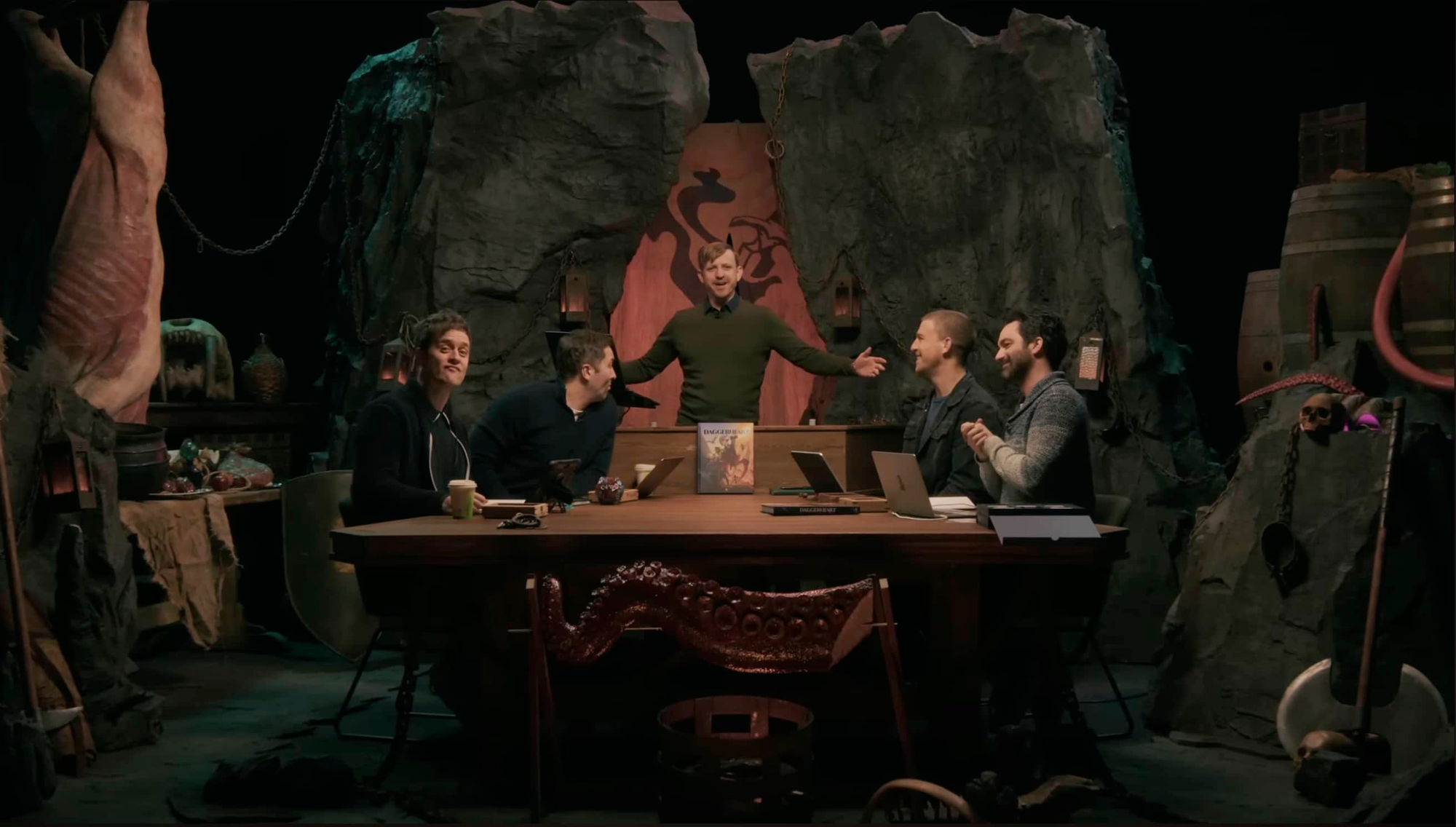
Strip away the d12s, the domain cards, and the new mechanics, and what Daggerheart is really selling is a method for getting a handful of people to have fun and tell a story together.
Daggerheart has been successful bringing their vision of TTRPGs to a broader audience. The game is heading into its second year with more designers, more worlds, and more tools for getting everyone at the table involved in telling the same story. If you've been waiting for a sign that Daggerheart is here to stay before you gather your group, this is a pretty good one.
It's a good year to pull up a chair.
Collectible Pin
If you are local, or in the area, come roll some dice with us and get this guy!
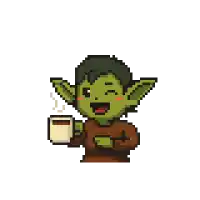
1 x Limited Series 1 Coffee Goblin Pin for Attendees that purchase a drink.
Buy any drink during the event and receive a free Limited Series 1 Pin featuring our smiling Coffee Goblin mascot - yours to wear proudly as a first edition adventurer of Espressos & Epics. Supplies are limited, so sip early!
Member discussion